Przyjmujemy walory na XIX Aukcję PREMIUM - Termin przyjęć: 04.01.2027
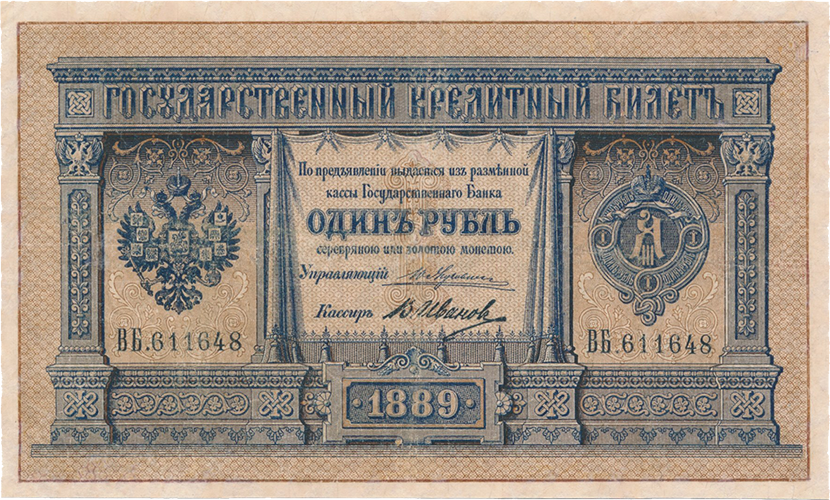
Many people have a single banknote at home from their grandfather or a memento they've kept for years, but they don't know if it has any collector value. Price differences can be huge—two seemingly identical banknotes can cost tens of zlotys or even thousands. In this article, I'll give you specific tips on how to assess the value of a banknote and when it's best to have it appraised at Wójcicki Auction House, which has been appraising and selling banknotes for clients in over 70 countries since 2016.
Recognizing a banknote is the first step—and contrary to appearances, it's not at all obvious. Banknotes from a given period often come in many variants, differing in details invisible at first glance. Therefore, before beginning your value analysis, check the basic elements: country of issue, denomination, year of printing, numbering, and series. For many banknotes, the series itself determines their rarity. There are situations where two series of the same design differ in value several times, and a layperson can't tell the difference.
When preparing a banknote for initial evaluation, take photos. Ideally, take them in daylight, with the banknote on a smooth, bright surface. Take photos of the entire banknote, then of the details—watermarks, numbers, and security features. This helps the expert assess at the initial stage whether the banknote requires a more thorough inspection. At Wójcicki Auction House, you can submit these photos by email or through the form on the website—you'll receive preliminary information about whether your banknote has collector potential.
Najważniejsza zasada przed wyceną: nie czyść banknotu, nie prostuj go mechanicznie i nie próbuj usuwać przebarwień. Nawet delikatna próba “poprawienia wyglądu” może obniżyć jego wartość. Eksperci wolą pracować z banknotem w oryginalnym stanie.
Valuing a banknote involves analyzing several elements that together create a picture of its value. Each of these factors can increase or decrease it, so a professional valuation is based on their combination.
You can do a quick home inspection to assess whether your banknote has any potential. This analysis won't replace a professional valuation, but it will help you avoid a hasty sale.
While self-analysis can provide insight into the topic, it's best to entrust a thorough assessment to an expert. At Wójcicki Auction House, valuation includes banknote identification, rarity analysis, condition assessment, comparison with auction archives, and guidance on the optimal sale method. You receive not only an estimated value but also a realistic plan for maximizing the banknote's potential.
Mateusz Wójcicki's experience, having been involved in numismatics for over 20 years and conducting auctions for collectors from many countries, translates into his ability to evaluate items reliably and predictably. The auction house earns its commission, so its goal is to obtain the highest possible price.
An additional advantage is the option to offer banknotes at a Premium Auction or Private Sale. These auctions have an international reach, and the high-quality catalogs and presentations attract collectors from 70+ countries. This environment produces completely different results than private sales.
The sales process has been designed for people who want to sell banknotes safely and efficiently, regardless of whether they have a single copy or an entire collection.
Determining the value of a banknote is a process you can begin on your own, but a professional valuation ensures you won't sell your banknote below its true value. Wójcicki Auction House combines expert knowledge, experience, and international reach, ensuring your banknotes have the potential to reach a wide range of collectors. If you want to sell your banknote quickly, safely, and at a fair price, this is the surest way.

Copyright 2026
Design: Proformat
Copyright 2026
Design: Proformat - Interactive Agency
Wójcicki Polish Auction House
ul. Klemensa Janickiego 2b
50-157 Wrocław
tel.: 696 875 000
tel.: 71 30 70 111
e-mail: [email protected]